Pensacola Historic Village
Site of North America’s first European settlement
Site Details
Pin location is approximate.
202 E Zaragoza
Pensacola, FL 32502
Family Friendly?
Yes
Visitors Per Year
151,000
There are a wide array of exhibits and activities throughout the historic village and the various museums. Most focus on daily life during different time periods and many present interesting and significant artifacts in compelling ways. There is a particular emphasis on industry during different time periods and how different Indian tribes and colonial powers shaped Florida and the Gulf Coast region. It also emphasis Pensacola’s heritage as the cradle of Naval Aviation and the home of the Navy’s Blue Angels.
Visitors are transported back in time while being immersed in living history experiences in Historic Pensacola Village while children can engage in hands-on learning experiences in Pensacola’s Children’s Museum. For those interested in more traditional museum experiences, Pensacola’s Museum of History, Museum of Art, Museum of Commerce, and Museum of Industry offer plenty of opportunities to explore.
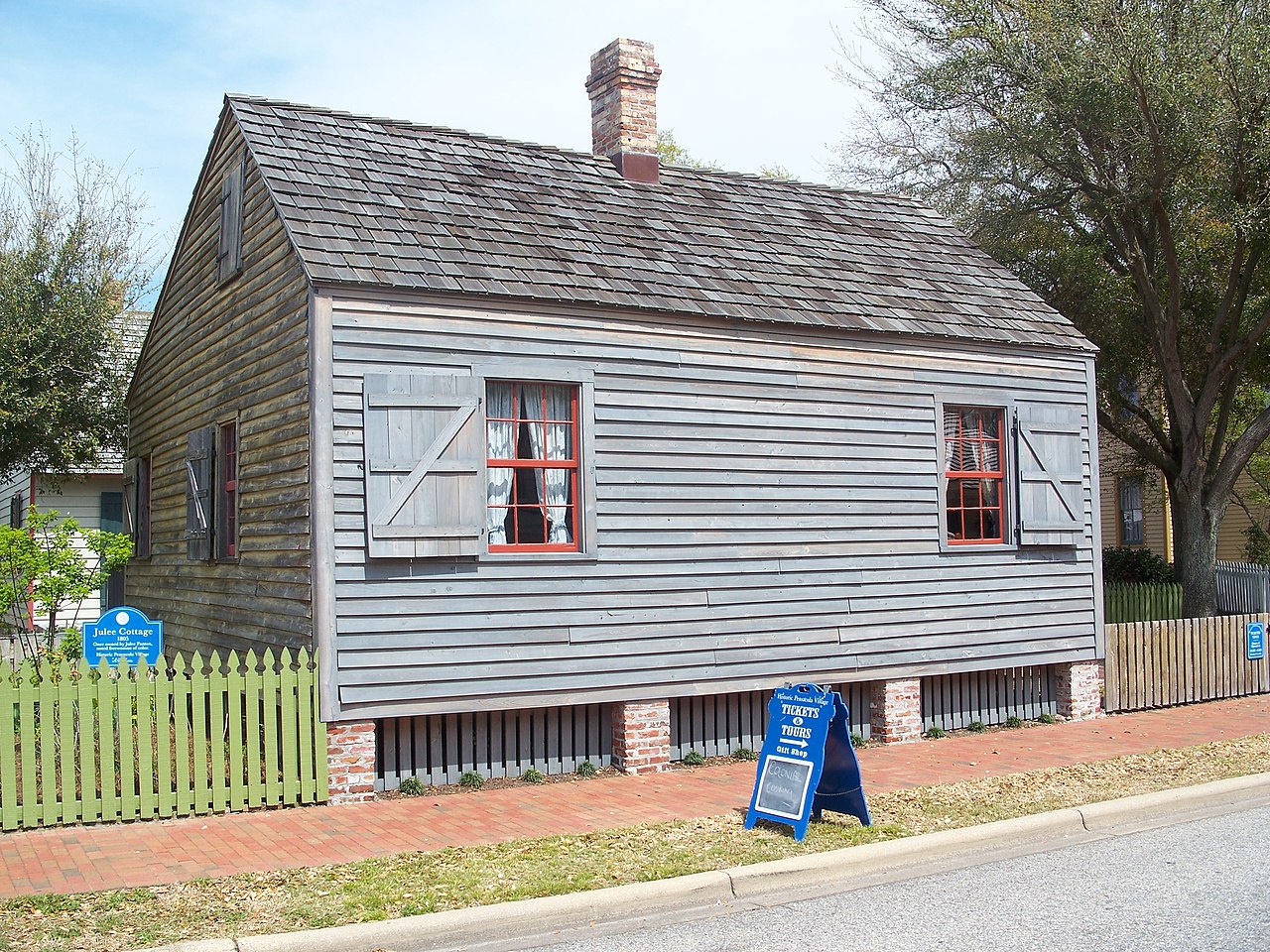
- Historic Pensacola Village: Visitors will be immersed in daily life at different time periods in Florida’s, and our nation’s, history. Along the way visitors will explore historic buildings and see how early settlors survived in an unforgiving environment. Historic Pensacola Village comprises a number of historic homes, shops, and church buildings.
- Pensacola Children’s Museum: This recently renovated museum offers two floors of hands-on educational experiences spanning almost 450 years of history. Children can explore colonial history, engage with maritime displays, and even learn about modern commerce and industry in Northwest Florida.
- Pensacola Museum of History: This museum offers exhibits going back to the earliest European settlement in North America—Don Tristan DeLuna’s 1559 settlement near Pensacola Bay. Though a hurricane destroyed most of that settlement shortly after it was established, the exhibits in this museum trace the history of Northwest Florida from before that settlement to the modern day. Interesting artifacts and exhibits highlighting Pensacola as the “Cradle of Naval Aviation” abound.
- Pensacola Museum of Art: Located in a former jail building, this art museum provides a perfect backdrop to explore exhibits by national and local artists. While a Picasso and art from other world renown artists are part of the collection, it’s annual exhibits from local students and artists that provide some of the most interesting—and thought-provoking—works at the museum.
- Pensacola Museum of Commerce: Visitors are immediately immersed in an 1890s streetscape when they step into this museum. Set inside a turn-of-the-century brick warehouse, this recreation of historic Pensacola businesses will allow visitors to understand how our nation’s economy has changed—and stayed the same—over the past 125 or so years.
- Pensacola Museum of Industry: Visitors can learn how lumber, brickmaking, railroads, and commercial fishing all played a role in transforming the Gulf Coast’s economy over the years and helped transform coastal communities into thriving commercial centers.
The exhibits are well done, and there are no noticeable deviations from scholarly standards.
The site appears to be ideologically neutral. It simply tells the tale of America’s oldest settlement through exhibits on various people, places, and industries that impacted and shaped it. Several new exhibits will be implemented in the coming years and will hopefully maintain their commitment to conveying important historical information without an ideological bias.
Historic Pensacola Village is very family friendly. It has interactive exhibits with staff dressed in time-period appropriate clothing, as well as hands-on exhibits throughout. It contains a wide variety of activities and exhibits appropriate for adults and children of all ages. Particularly interesting is the historic village with buildings dating back to the early 19th century. The Museum of History, the Museum of Industry, and the Museum of Commerce all contain exhibits showcasing different aspects of the area’s development and history. There is also a recently renovated children’s museum as part of the historic village.
Visitors may also consider combining their visit with a trip to Fort Pickens, Fort Barrancas, and NAS Pensacola.
Pensacola is America’s oldest European settlement. As a key hub on Gulf Coast, it changed hands among different colonial powers and earned its nickname as the “City of Five Flags.” Shortly after the turn of the twentieth century, Pensacola also played a pivotal role as the “Cradle of Naval Aviation” with NAS Pensacola serving as the primary flight training center for all Navy, Marine Corps, and Coast Guard aviators for many years. More recently, Pensacola has served as the longtime home of the U.S. Navy’s flight demonstration team, the Blue Angels.
Historic Pensacola Village highlights many of these important milestones. Particular emphasis is placed on early colonial history and how the region developed economically and militarily throughout the years.
While not part of the Historic Pensacola Village, families may also consider visiting the National Naval Aviation Museum, which is located onboard NAS Pensacola and houses many historic naval aircraft and spacecraft, as well as a number of interesting displays about the history of naval aviation.
Owned By: University of West Florida Historic Trust
Operated By: University of West Florida Historic Trust
Government Funded: Yes
Did you know?
Pensacola is the site of the oldest European settlement in North America. It “predates the Spanish settlement in St. Augustine, Florida, by six years, and the English settlement in Jamestown, Virginia, by 48 years.” It is situated on the site of a former colonial fort that was located in downtown Pensacola between 1756 and 1821.
Recommended Reading
Historic Pensacola by Margo S. Stringfield and John James Clune
Pensacola: Florida’s First Place City by Jesse Earle Bowden, Gordon Norman Simons, Sandra L Johnson
Pensacola: Spaniards to Space Age by Virginia Parks
Reviewed By
Zack Smith
Senior Legal Fellow in the Institute for Constitutional Government at The Heritage Foundation
The opinions expressed above are those of the Reviewer who is providing a good-faith historical assessment to educate the public. Reasonable opinions can vary, and the Reviewer’s opinion is not necessarily the opinion of The Heritage Foundation or its affiliates.