Mayo Clinic Historical Suite
The historical beginnings of the Mayo Clinic.
Site Details
Pin location is approximate.
113 2nd Street SW
Rochester, MN 55902
Family Friendly?
Somewhat
Visitors Per Year
20,000
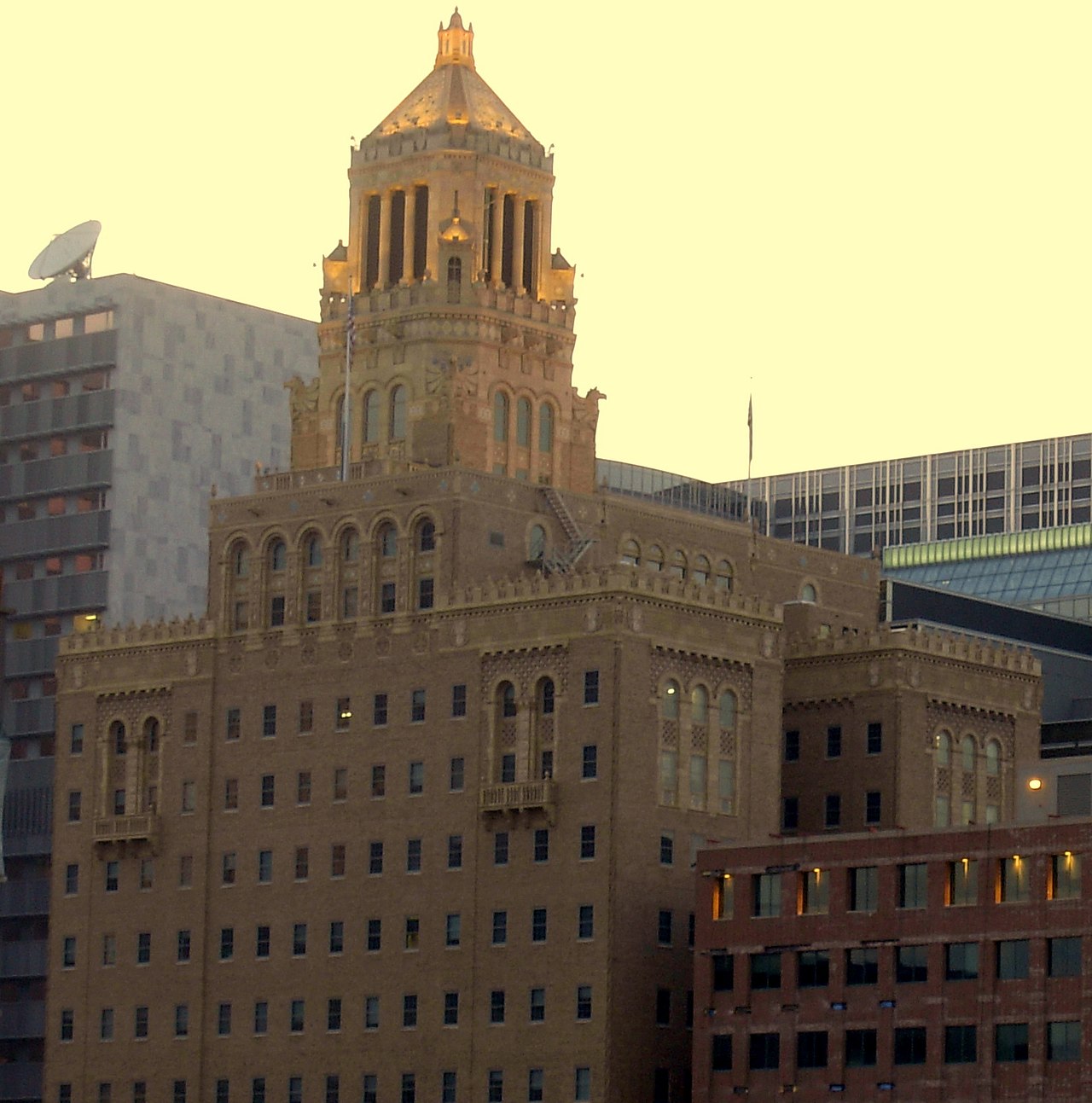
- The historical Mayo office suite, which is located on the third floor of the Plummer building, offers visitors a unique insight into the impact of the Mayo Clinic upon both medicine and American society and culture. The Mayo offices are arranged as they were used at the time, and tours are self-guided. In addition to the offices of both Dr. William J. Mayo and his brother, Dr. Charles H. Mayo, visitors are able to see medical artifacts, personal effects of the Mayo brothers, and numerous awards and honorary degrees. The suite also has a plethora of photographs, many of which are personally signed by dignitaries such as Presidents Franklin D. Roosevelt and Harry S. Truman, among many other notable Americans and world leaders.
- The tour gives visitors an understanding of the historical significance of the Mayo Clinic, as well as an example of American entrepreneurship. The tour tells the story of the Mayo family, who founded and continue to be involved with the health-care facility, and who have cared for people and made advancements in medicine for decades. Edward Kendall, PhD, and Dr. Philip Hench, MD, were awarded the Nobel Prize in 1950 for the discovery of cortisone. The Nobel Prize for Medicine or Physiology is on display as an example of the groundbreaking research and collaboration that continues at the Mayo Clinic.
- The Plummer Building, which was designed by Dr. Henry S. Plummer, officially opened in 1928. The Plummer Building itself has beautiful architecture both inside and out. Outside the building are stone carvings that reflect both farming and medicine, thematically relating to Minnesota. The W. Bruce Fye Center for the History of Medicine is also located in the Plummer Building and serves as a medical library and research center that is utilized by Mayo Clinic staff and outside researchers.
The exhibits at the Mayo Historical Suite, which are small in scale, do not contain any historical inaccuracies.
There is no apparent ideological bias in the exhibits at the Mayo Historical Suite.
The Mayo Historical Suite is family friendly, but the exhibits may be difficult for some younger children to understand because of the nature of the exhibits. Further, the Historical Suite is only open to Mayo staff and patients. The exhibits are family friendly, but the museum experience itself is largely just examining artifacts, pictures, and documents with little explanation. There is no interactive technology inside the Historical Suite.
Dr. William Worrall Mayo, who relocated to Rochester during the Civil War to help examine soldiers for the Union Army, started a small medical practice. Dr. Mayo’s practice started to grow, especially in the aftermath of a devastating tornado that hit Rochester in 1883. This natural disaster was the origin of the Mayo Clinic.
Dr. Mayo, along with the Sisters of St. Francis, who were led by Mother Alfred Moses, started a hospital. Dr. Mayo would be joined in his practice by his two sons, Dr. Charles H. Mayo and Dr. William J. Mayo. Quickly, the Mayo Clinic, which was first named Saint Mary’s Hospital, became known for quality care and innovation. In 1906, a school of nursing was established and what began as the “hospital in the cornfield” had become, by the early 20th century, the Mayo Clinic, a leader in medical care, research, and innovation and the gold standard for medical care. In 1928, the Plummer Building opened, becoming the main building of the Mayo Clinic. The Mayo Clinic has expanded outside of Rochester with the establishment of facilities in other states.
Medical care, research, and innovation was also spurred on by the Mayo Clinic’s environment that encouraged professional development and collaboration. In 1907, Dr. Henry Plummer established a system of storing patient medical records in a central location. The Mayo Clinic continues to utilize Dr. Plummer’s system of medical records.
The history of the Mayo Clinic is not just important for the development and advancement of medical care, research, and innovation, it is also a story of American entrepreneurship and the spirit of American humanity. Dr. W.W. Mayo and the Sisters of St. Francis joined together to serve their community, and this was later expanded by both Dr. Charles Mayo and Dr. William Mayo. This legacy continues today.
Owned By: Mayo Foundation for Medical Education and Research
Operated By: Mayo Foundation for Medical Education and Research
Government Funded: No
Did you know?
The Plummer Building was designed by Dr. Henry S. Plummer, who also designed many of the Mayo Clinic’s medical records and registration systems that are still applied today.
Recommended Reading
- The Doctors Mayo by Helen Clapesattle
Reviewed By
John Hendrickson
Policy Director of the Iowans for Tax Relief Foundation
The opinions expressed above are those of the Reviewer who is providing a good-faith historical assessment to educate the public. Reasonable opinions can vary, and the Reviewer’s opinion is not necessarily the opinion of The Heritage Foundation or its affiliates.