Warren G. Harding Presidential Sites
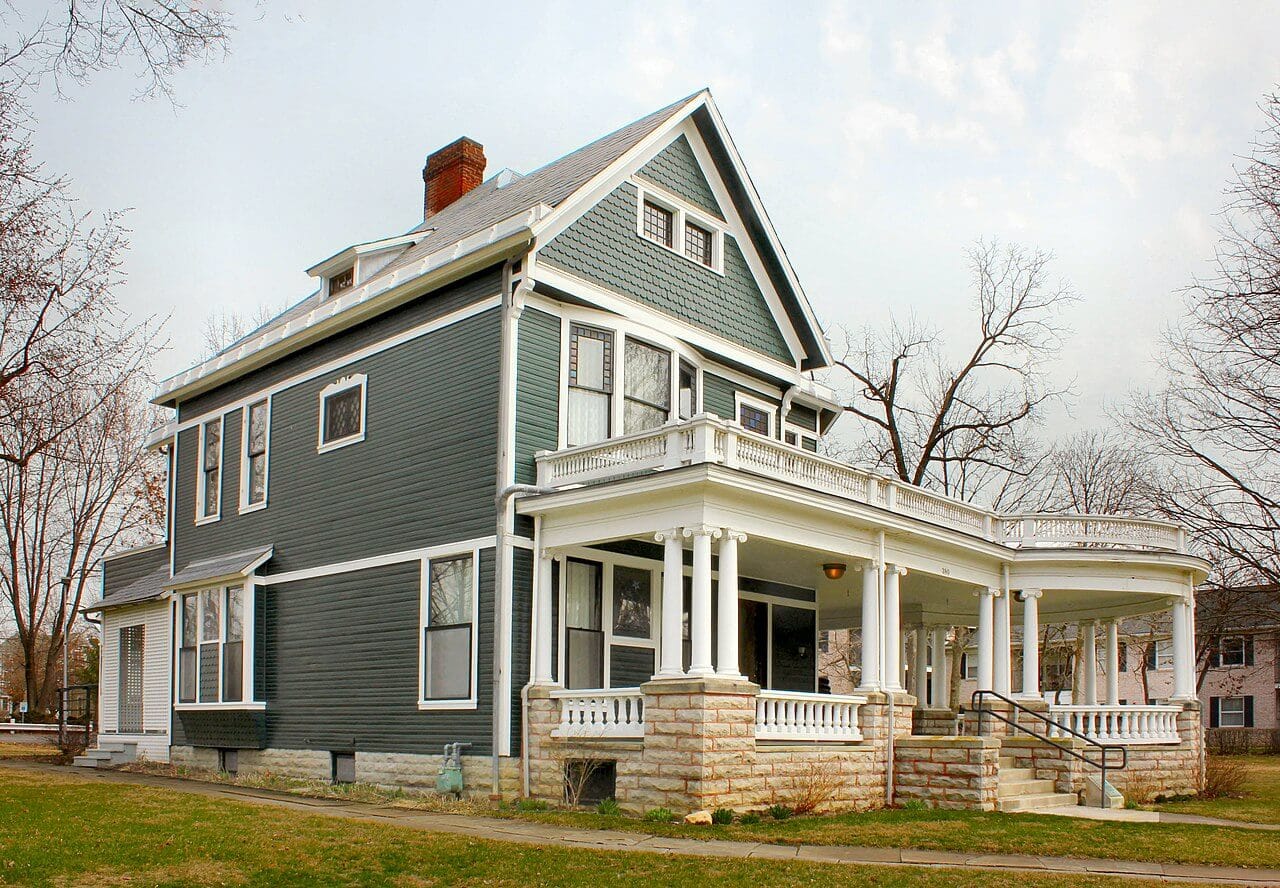
Home of the 29th President of the United States, where he conducted his 1920 front porch campaign
Site Details
Pin location is approximate.
380 Mt Vernon Ave
Marion, OH 43302
Family Friendly?
Yes
Visitors Per Year
Unkown
The site offers a museum dedicated to President Warren G. Harding’s life and legacy. It includes numerous artifacts of interest, including the suit worn and the podium used by Harding at his inauguration. The exhibit generally follows a chronological progression from birth to death, though discussions of scandals in Harding’s Administration and personal life are reserved for panels at the end. More emphasis is given to Harding’s policies of pursuing international peace, workers’ rights, and government programs for maternal health than to his free-market economic endeavors, though the latter do receive some mention. There is significant discussion of 1920 being the first election after the ratification of the 19th Amendment and thus the full inclusion of women voters.
The site also includes a brief biographical video about Harding. The video moves at a brisk but not hurried pace to detail Harding’s career as a local newspaperman, in Ohio state politics, and then on the presidential stage. It makes good use of early video recordings as well as preserved photographs.
A tour is offered of the home that Warren Harding built in the early 1890s. The tour lasts about 45 minutes. Around 95 percent of the artifacts in the house are original to the time Harding lived in it. The tour guide works from interpretative notes.
A building used by reporters for the 1920 campaign is preserved on the property as well. It is not part of the tour but is open to visitors. Its panels focus on the front-porch campaign that Harding ran as well as his distinct and effective approach to engaging with the news outlets of his time.
About a mile from the museum and house is the Harding Memorial, which contains the tombs in which Harding and his wife, Florence, are buried. It is an impressive, well-kept white marble structure, suggestive of a round Greek temple, and contains additional historical information about Harding as well as details about how the memorial was conceived and executed.
The exhibits overall are accurate. They cover important aspects of Harding’s life with an emphasis on his run for the Presidency and time in office.
The exhibits are well presented in their combination of text, visual aids, and original artifacts. Accompanying maps and videos provide more than one way to absorb the information. Where current practice deviates from the times, such as regarding how party conventions operated in selecting presidential candidates, the exhibits offer a short and helpful description of the distinctions.
The exhibits could give more space to Harding’s economic philosophy and policies. His tax cuts and commitment to limit government spending are mentioned in the biographical video but not discussed much or directly connected to the economic prosperity of the 1920s.
The exhibits note Harding’s creation of the Bureau of the Budget. However, more could have been said about its importance as a development of presidential power in relation to Congress over the budget process.
The site does not include any overt political activism. It gives special emphasis to the role of women in the 1920 election as well as the participation in the campaign by African Americans and Native Americans. There is some mention of economic excesses in the 1920s that could be perceived as indirect criticism. However, no direct connection is made to Harding’s policies. The museum explains Harding’s personal scandals and the corruption that took place in his Administration such as the Teapot Dome scandal in which Harding’s Interior Secretary was eventually convicted for accepting bribes from oil companies in exchange for leasing Navy petroleum reserves. However, the manner in which these historical facts are presented does not engage in any commentary on current events or explicit condemnation of Harding or his times. Though short on specifics, the museum even notes that a positive reappraisal of Harding has been taking place recently.
The site is family friendly. It has adequate parking with direct access from the parking lot to the different parts of the site. The museum is substantial but small enough for families to work through with children. Employees give out a notebook set up as a mystery hunt for children to look through the exhibit. While some of that material could be more intuitive, it still helps children with gaining skills in observing and learning while in a museum.
Warren G. Harding was the 29th President of the United States. He was an Ohio newspaperman, then a (losing) Republican candidate for governor and a (winning) candidate for Senate. During his 1920 presidential run, Harding was the last candidate to run a “front-porch” style campaign which brought thousands of onlookers to his residence for speeches. He showed savvy knowledge of news outlets in his 1920 presidential run, constructing a building next to his home for reporters and speaking with them regularly. Harding campaigned on a “Return to Normalcy” that sought to move America beyond World War I and bring renewed prosperity back to the people. His landslide victory expressed a desire by the American people to not continue the more Progressive direction taken by his predecessor, Woodrow Wilson. In office, Harding helped set the stage for the economic boom of the 1920s with his free–market policies. He also enhanced the presidential role in the process of funding the government through creation of the Bureau of the Budget. He died of heart failure in August 1923, and was succeeded by his Vice President, Calvin Coolidge.
Owned By: Ohio History Connection
Operated By: Ohio History Connection
Government Funded: Yes
Did you know?
Harding was the first sitting President to visit Alaska and Canada.
Recommended Reading
- The Jazz-Age President: Defending Warren G. Harding by Ryan Walters
- Our Common Country by Warren G. Harding
Reviewed By
Adam M. Carrington
Associate Professor of Political Science at Ashland University and Co-Director of the Ashbrook Scholar Program
The opinions expressed above are those of the Reviewer who is providing a good-faith historical assessment to educate the public. Reasonable opinions can vary, and the Reviewer’s opinion is not necessarily the opinion of The Heritage Foundation or its affiliates.